Hands Wash Infographic: Elevating Hygiene Communication Through Vector Design
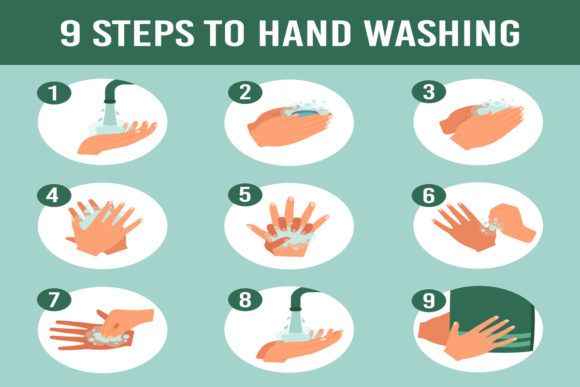
In an era where health protocols have transitioned from emergency mandates to integrated lifestyle habits, the visual communication of hygiene has never been more critical. The Hands Wash Infographic represents more than just a set of instructional illustrations; it is a vital tool for bridging the gap between complex health guidelines and immediate public understanding. This specific asset, showcasing a comprehensive set of steps for proper hand hygiene, serves as a foundational element for designers, facility managers, educators, and content creators who need to convey safety standards clearly and professionally.
The relevance of this resource extends beyond simple compliance. As organizations and individuals navigate post-pandemic workflows, the expectation for clear, aesthetically pleasing, and accurate health signage has increased significantly. People no longer tolerate crude, text-heavy warnings. Instead, they respond to intuitive visual narratives that respect their intelligence while guiding their behavior. This infographic meets that demand by providing a structured, step-by-step visual guide that can be adapted across various media, from physical posters in high-traffic areas to digital assets in employee training modules.
The Evolution of Visual Health Communication
Historically, hygiene instructions were often utilitarian afterthoughts—stark, text-based directives posted in restrooms or clinical settings. However, the modern information landscape has shifted dramatically. We now operate in a visually saturated environment where users process images faster than text. The evolution of the Hands Wash Infographic reflects this broader trend toward visual literacy. Contemporary design prioritizes cognitive ease, using iconography and flow to reduce the mental load required to understand a process.
This shift is particularly relevant for professionals creating content for diverse audiences. Whether you are a blogger writing about wellness, a business owner updating office protocols, or an educator teaching health science, the quality of your visual aids directly impacts retention and compliance. A well-designed vector illustration signals professionalism and care. It suggests that the organization values the well-being of its stakeholders enough to invest in high-quality communication. Conversely, outdated or pixelated clip art can undermine trust and suggest negligence.
Furthermore, the standardization of hygiene visuals has become a global necessity. With remote work and international collaboration becoming the norm, visual assets must transcend language barriers. An effective hand washing illustration relies on universal visual cues rather than dense typography, making it accessible to non-native speakers and neurodivergent individuals who may struggle with text-heavy instructions. This inclusivity is not just a moral imperative but a practical requirement for modern public spaces and digital platforms.
Technical Versatility: EPS10 and Scalable Vector Graphics
For creators and marketers, the technical specifications of a design asset are just as important as its aesthetic appeal. This product includes one EPS10 file, a format that remains the industry standard for professional vector graphics. Understanding why this matters is crucial for maximizing the value of the Hands Wash Infographic in your workflow.
EPS (Encapsulated PostScript) files are resolution-independent. Unlike raster images (such as PNG or JPG) which lose quality when enlarged, vector graphics are defined by mathematical equations. This means you can scale this hand washing illustration to the size of a postage stamp or a billboard without any loss of clarity or sharpness. For a business owner designing large-format signage for a lobby or warehouse, this scalability is non-negotiable. For a web designer integrating the graphic into a responsive website, it ensures crisp rendering on everything from mobile screens to 4K monitors.
The inclusion of a 72ppi Resolution JPEG preview serves a distinct purpose in the creative pipeline. While 72ppi is generally considered low resolution for print, it is optimal for digital mockups, client presentations, and internal reviews. It allows teams to quickly assess the composition and color palette without transferring large files. This separation of concerns—preview versus production-ready asset—streamlines project management and reduces friction during the approval process.
Practical Applications Across Industries
The utility of a dedicated hand hygiene vector set spans multiple sectors, each with unique needs and constraints. Recognizing these applications helps professionals leverage the asset more effectively.
- Corporate and Office Environments: As companies maintain hybrid work models, visible hygiene reminders reassure employees returning to physical offices. These graphics can be incorporated into welcome kits, intranet portals, and elevator displays to reinforce a culture of safety without feeling clinical.
- Food Service and Hospitality: Restaurants and hotels face rigorous health inspections. Customizing this infographic to match brand colors allows establishments to maintain compliance while preserving their interior design aesthetic. It transforms a regulatory requirement into a cohesive part of the customer experience.
- Education and Childcare: Young learners respond best to visual storytelling. Educators can use the individual steps from the EPS file to create interactive learning materials, flashcards, or coloring sheets that teach motor skills alongside hygiene concepts.
- Healthcare and Wellness Content: Bloggers, influencers, and health coaches frequently discuss preventative care. Using a professional, editable vector asset elevates content above generic stock photography, establishing authority and trustworthiness in a crowded niche.
- Manufacturing and Industrial Safety: In environments where PPE and sanitation are mandatory, clear signage prevents accidents and contamination. The ability to edit the EPS file means safety officers can add site-specific annotations or translate steps into necessary languages without redesigning from scratch.
Customization and Brand Consistency
One of the most significant advantages of acquiring the Hands Wash Infographic in EPS10 format is the capacity for customization. Generic health signage often clashes with carefully curated brand identities. By working with a vector source file, designers can modify stroke weights, adjust color palettes to match corporate guidelines, and rearrange elements to fit specific layouts.
This adaptability is essential for maintaining brand consistency. If your organization uses rounded corners and soft pastels, a harsh, angular medical diagram will feel out of place. Conversely, a minimalist tech company might prefer simplified line art over detailed shading. The EPS format empowers you to tailor the message to your audience’s visual expectations while retaining the accuracy of the hygiene steps.
Moreover, editing capabilities allow for future-proofing. Health guidelines evolve. New variants emerge, and best practices are refined. Owning the source file means you can update your signage instantly without repurchasing new assets or waiting for external vendors. This agility is a competitive advantage for businesses that need to respond quickly to changing public health landscapes.
Integrating Hygiene Assets into Modern Workflows
For freelancers and agency creatives, efficiency is paramount. Creating accurate anatomical illustrations from scratch is time-consuming and requires specialized knowledge. Medical illustration demands precision; an incorrect depiction of hand washing technique can render a sign useless or even misleading. By utilizing a pre-made, professionally vetted Hands Wash Infographic, creatives bypass the research and drafting phases, focusing instead on integration and messaging.
This asset also supports the growing trend of modular design systems. Modern design relies on reusable components rather than one-off creations. A vector hand washing set can be broken down into individual icons for app interfaces, combined into horizontal strips for web banners, or assembled into vertical posters for print. Treating this illustration as a flexible system component rather than a static image maximizes ROI and ensures visual coherence across all touchpoints.
Additionally, the rise of AI-assisted design tools has changed how we interact with vector assets. While AI can generate images, it often struggles with the specific sequential logic required for instructional diagrams. Human-created vectors like this EPS file provide the structural accuracy that AI currently lacks, serving as reliable ground truth that can be enhanced or styled using newer technologies without sacrificing functional integrity.
Best Practices for Implementation
To get the most out of this resource, users should adhere to several practical recommendations. First, always verify that the illustrated steps align with current local health authority guidelines (such as CDC or WHO). While the infographic provides a solid foundation, regional requirements may vary slightly regarding duration or specific techniques.
Second, consider accessibility when deploying the final design. Ensure sufficient contrast between the illustration and the background. If using the graphic digitally, include descriptive alt text that outlines the steps for screen reader users. Visuals should supplement, not replace, textual information for those with visual impairments.
Third, test the legibility at intended viewing distances. A detailed vector may look beautiful on a designer’s monitor but could become cluttered when printed small or viewed from afar. Simplify details as necessary based on context. The goal is instant comprehension, not artistic appreciation.
Finally, respect licensing and attribution. When incorporating third-party assets into commercial projects, ensure you understand the usage rights associated with the EPS10 file. Proper licensing protects both the creator and the user, fostering a sustainable ecosystem for high-quality design resources.
The Strategic Value of Professional Hygiene Assets
Ultimately, the Hands Wash Infographic is a strategic asset. In a world where health consciousness is permanently woven into the fabric of daily life, the ability to communicate hygiene protocols effectively is a core competency for organizations and creators alike. The combination of accurate instructional content and professional-grade vector deliverables makes this product an indispensable resource for anyone tasked with promoting public health.
By choosing high-quality, editable assets over disposable alternatives, professionals signal a commitment to excellence. They acknowledge that even the most mundane aspects of safety deserve thoughtful design. As we continue to adapt to evolving health landscapes, having reliable, scalable, and customizable visual tools at our disposal ensures that our messages remain clear, compliant, and compelling. This infographic is not merely a picture of hand washing; it is a building block for safer, more informed communities and workplaces.