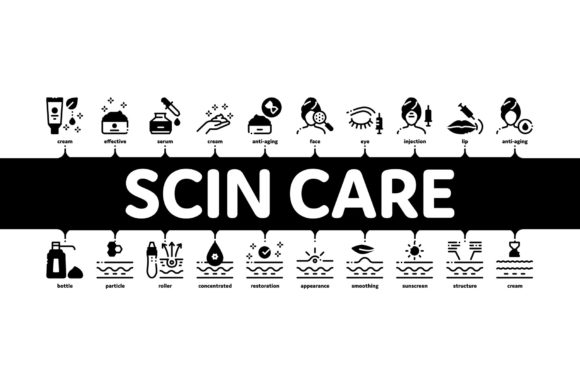
Minimal Skin Care Infographic Design Assets
Elevating a beauty brand’s visual identity often hinges on the ability to communicate complex product benefits through clean, sophisticated imagery. When designers search for a Skin Care Cosmetic Minimal Infographic, they are typically looking for more than just decoration; they need functional visual tools that translate scientific formulations into accessible consumer language. These assets serve as a bridge between clinical efficacy and aesthetic appeal, allowing brands to present ingredients, application methods, and anti-aging technologies without overwhelming the viewer. In an industry saturated with noise, minimalism acts as a signal of premium quality and transparency.
The Role of Vector Assets in Beauty Branding
Modern graphic design demands versatility, which is why sourcing a Skin Care Cosmetic Minimal Infographic Web Banner Vector is essential for responsive workflows. Vector formats like EPS ensure that illustrations remain crisp whether they are scaled down for a mobile app icon or blown up for a retail display. This scalability is crucial for maintaining brand consistency across diverse touchpoints. Unlike raster images, vectors allow designers to adjust stroke weights, modify color palettes to match specific brand guidelines, and integrate seamlessly with existing typography systems.
High-quality creative assets should include comprehensive illustration sets covering key product categories. Effective design resources typically feature:
- Skin Care Cream And Moisturizing Oil: Stylized representations of texture and hydration that convey sensory experiences visually.
- Targeted Treatment Areas: Precise icons for eye, lips, and facial zones to guide user attention in UI design or packaging.
- Anti-aging Injection Illustrations: Clinical yet approachable graphics that demystify advanced procedures for editorial or educational content.
Practical Applications Across Media
The utility of these minimal illustrations extends far beyond simple web banners. In packaging design, negative space is a luxury, and concise iconography allows for compliant labeling that still feels uncluttered. For digital marketing and social media graphics, these elements create a cohesive visual rhythm that boosts engagement and reinforces brand recognition. Editorial layouts benefit from the structured nature of infographics, breaking up dense text about dermatological science with digestible visual cues. Even in presentation decks for investors or stakeholders, professional vector illustrations lend an air of authority and polished preparation.
Selecting and Implementing Design Elements
Choosing the right asset involves evaluating more than just aesthetic preference. Designers must consider how well the illustration style aligns with the overall brand identity. A minimalist line-art style might suit a clinical dermatology brand, while softer, organic shapes may better serve a natural wellness line. Compatibility with your current font choices and color palette is non-negotiable; disjointed visuals can undermine trust and perceived value.
When integrating these assets into your design workflow, keep the following best practices in mind:
- Prioritize Visual Hierarchy: Use size and placement to guide the viewer’s eye toward the most critical information first.
- Maintain Consistency: Ensure stroke widths and corner radii match across all icons to create a unified system.
- Optimize for Readability: Avoid excessive detail at small sizes; clarity should always trump complexity in UI and mobile contexts.
- Leverage Negative Space: Allow the minimal aesthetic to breathe by avoiding clutter around the illustrations.
Technical Considerations for Professional Results
While JPG formats offer immediate usability for quick mockups or low-resolution previews, professional projects almost always require the editable flexibility of EPS files. This format supports CMYK color modes for print design and RGB for digital screens, ensuring accurate color reproduction regardless of the medium. Furthermore, having access to layered vector files enables designers to isolate specific elements—such as removing a background or recoloring a single moisturizing oil bottle—to fit unique layout constraints without compromising quality.
Ultimately, thoughtful selection and implementation of minimal cosmetic infographics do more than beautify a project; they enhance communication efficiency and user experience. By investing in high-quality, scalable vector assets that cover essential categories from moisturizers to anti-aging treatments, designers can build stronger, more coherent brand narratives. The result is a visual language that feels both modern and trustworthy, helping audiences connect with products on a deeper level through clear, intentional design.