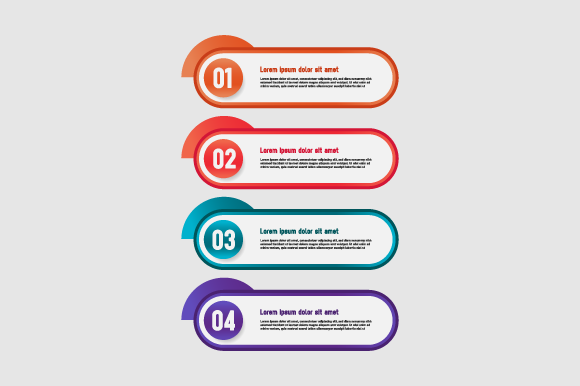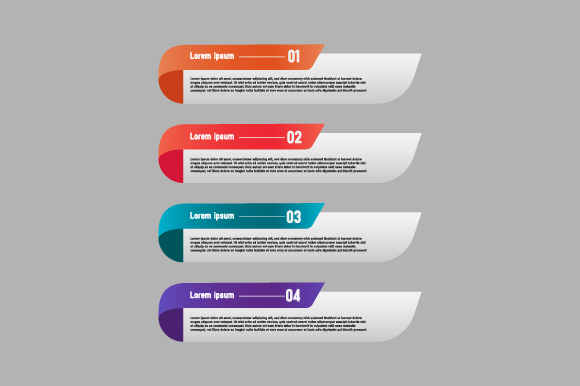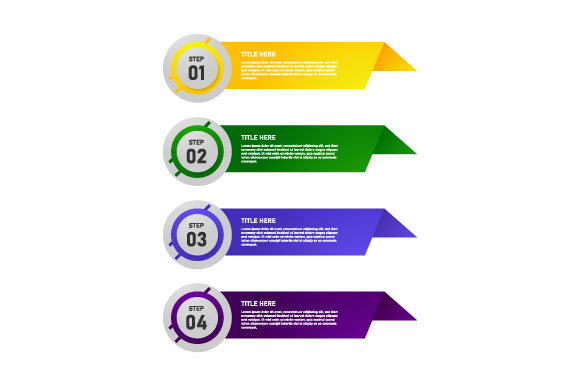
Elevating Visual Communication with a Set of Infographic Element Banner Design
In the fast-paced world of digital content, capturing attention is only half the battle; retaining it through clear, engaging visual storytelling is where the real challenge lies. A comprehensive Set of Infographic Element Banner Design serves as the bridge between raw data and audience understanding. These aren't just decorative assets; they are functional communication tools that transform complex information into digestible, aesthetically pleasing narratives. Whether you are crafting a corporate annual report, an educational presentation, or a social media campaign, having a cohesive library of banner elements ensures your message lands with impact and precision.
The Strategic Role of Banner Elements in Modern Design
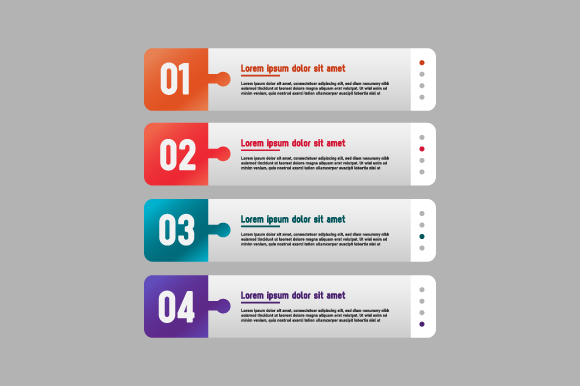
Banner elements within an infographic set serve a dual purpose: structural organization and visual engagement. Unlike standalone icons or isolated charts, banner elements provide context. They act as headers, dividers, call-out boxes, and background anchors that guide the viewer’s eye through a logical flow. When utilizing a Set of infographic element banner design for element design, decoration and background, designers gain access to a unified visual language. This consistency is crucial for brand recognition and professional polish.
Consider the user experience when viewing a dense informational graphic. Without visual hierarchy, the eye wanders aimlessly. Well-designed banner elements create natural stopping points and entryways into specific sections of content. They signal transitions between topics, highlight key statistics, or frame important takeaways. In modern workflows, where speed and quality must coexist, these pre-designed elements allow creators to focus on messaging rather than drawing basic shapes from scratch.
Versatility Across Formats and File Types
One of the most significant advantages of acquiring a professional asset pack is the inclusion of multiple file formats. The utility of a design resource is directly tied to its adaptability across different software ecosystems and output requirements. The files included in this collection—Ai, Eps, Svg, Jpg, and Png—cover the entire spectrum of professional design needs.
- Adobe Illustrator (Ai): This is the native source file for vector editing. It allows for complete customization of colors, shapes, typography, and layout. Designers can deconstruct every layer to tailor the Set of Infographic Element Banner Design to specific brand guidelines without any loss of quality.
- Encapsulated PostScript (Eps): A universal vector format compatible with CorelDRAW, Affinity Designer, and older versions of Illustrator. EPS files ensure that scalability remains intact regardless of the software being used, making them essential for print production and large-format signage.
- Scalable Vector Graphics (Svg): The gold standard for web performance. SVGs are code-based vectors that render crisply on any screen resolution while maintaining tiny file sizes. For responsive websites and interactive dashboards, SVG banner elements ensure fast load times and pixel-perfect clarity.
- PNG (Portable Network Graphics): Raster images with transparent backgrounds. These are invaluable for quick mockups, presentations in PowerPoint or Keynote, and non-designer team members who need to drop elements into documents without navigating vector software.
- JPG (Joint Photographic Experts Group): Flattened raster images best suited for previews, reference thumbnails, or backgrounds where transparency isn't required. They offer universal compatibility across all devices and platforms.
Integrating Decoration and Backgrounds Seamlessly
A common pitfall in infographic design is treating decoration as an afterthought. Effective visual communication integrates ornamentation directly into the function of the layout. When exploring a Set of infographic element banner design for element design, decoration and background, look for assets where the decorative aspects enhance readability rather than compete with it.
Background elements in these sets often feature subtle geometric patterns, gradients, or abstract shapes that add depth without creating visual noise. These textures prevent designs from looking flat or sterile while providing sufficient contrast for foreground text. Decoration elements, such as connecting lines, arrows, and accent dots, serve as visual glue. They physically link related concepts, reinforcing the relationships between data points. The best sets offer modular decorations that can be combined, rotated, or resized to fit unique layout constraints, allowing for organic composition rather than rigid templating.
Practical Applications in Professional Workflows
The true value of these assets emerges in daily application. Marketing teams use banner elements to maintain consistency across multi-channel campaigns, ensuring that LinkedIn carousels, email newsletters, and blog headers share a cohesive identity. Educational institutions leverage them to break down complex academic concepts into student-friendly visuals. Corporate trainers utilize the banner sets to create standardized slide decks that look professionally designed despite being created by subject matter experts rather than graphic designers.
For freelance designers, owning a robust Set of Infographic Element Banner Design dramatically reduces turnaround time. Instead of billing hours for creating basic structural components, time can be allocated to custom illustration, data analysis, and strategic consulting. This efficiency not only increases profitability but also allows for more iterative design cycles, leading to better final outcomes for clients.
Key Considerations Before Implementation
While having access to diverse assets is beneficial, successful implementation requires thoughtful selection. Not every element in a set will suit every project. Before integrating these banners into your workflow, evaluate the stylistic alignment with your existing brand architecture. Does the line weight match your logo? Are the corner radii consistent with your UI kit? Cohesion matters more than variety.
Additionally, consider the technical specifications of your final output. If designing for high-resolution print, prioritize the Ai or Eps files to avoid pixelation at large scales. For web-only projects, converting relevant elements to SVG will optimize performance. Always check licensing terms to ensure commercial usage rights align with your intended distribution channels. Understanding these parameters upfront prevents costly revisions later in the production process.
Customization as a Necessity, Not an Option
Treat any downloaded asset pack as a starting point, not a finished product. The most effective designers use these sets as foundational building blocks, modifying colors, adjusting proportions, and combining elements in novel ways to create something uniquely suited to their specific narrative. The availability of editable Ai and Eps files makes this customization straightforward. Change stroke widths to match your typographic scale. Adjust color palettes to meet accessibility standards for contrast ratios. Add or remove decorative details to suit the density of your content.
This approach transforms generic resources into bespoke design systems. It ensures that even when using shared assets, the final output retains distinctive character and relevance. The goal is never to showcase the template itself, but to leverage its structure to amplify your unique message. By thoughtfully integrating these banner elements, decorators, and backgrounds into your creative process, you establish a reliable foundation for consistent, compelling visual communication that resonates with audiences and achieves measurable results.