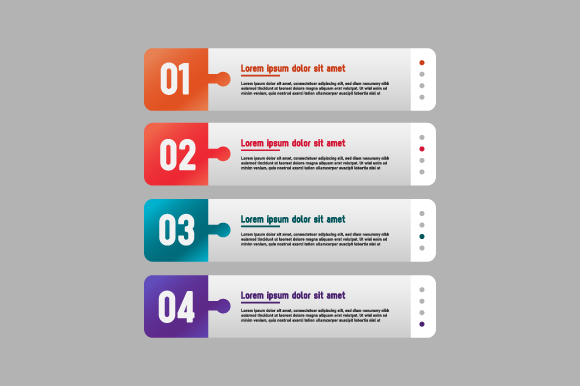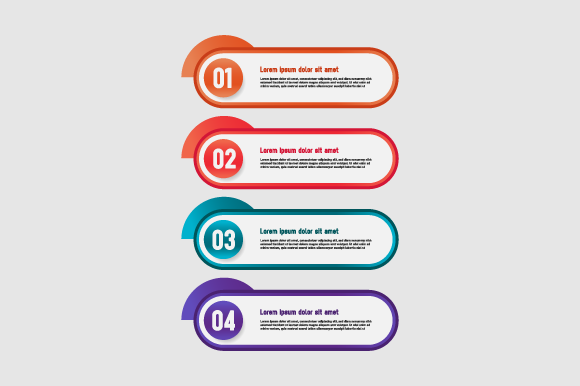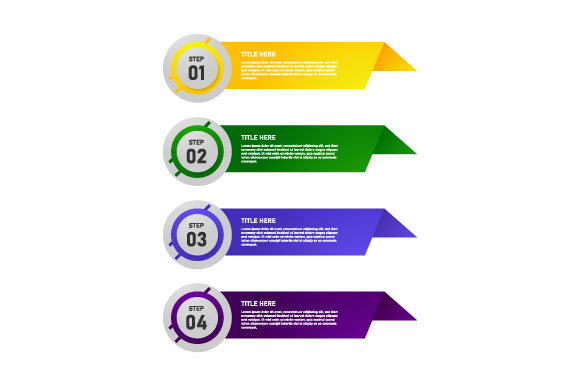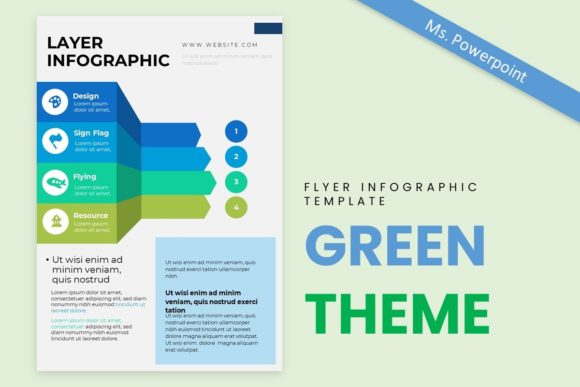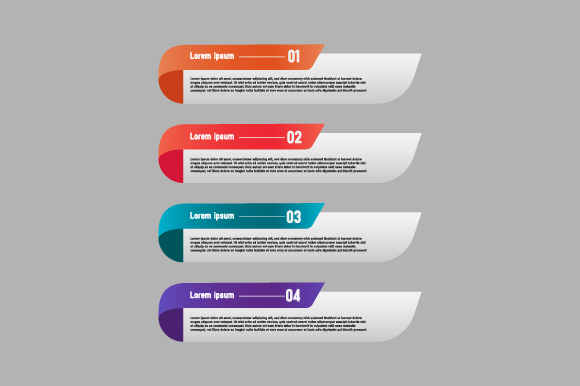
Streamlining Visual Communication with Banner Set Infographic Design Concepts
In the fast-paced world of digital marketing and content creation, consistency is often the first casualty of a tight deadline. Marketers and designers frequently find themselves rebuilding visual assets from scratch for every new campaign, leading to brand fragmentation and wasted hours. This is where a comprehensive Banner Set Infographic Design Concept becomes an indispensable asset. Rather than treating banners and infographics as separate entities, modern design workflows integrate them into cohesive systems that share DNA across elements, decorations, and backgrounds.
When you acquire a professional design package containing AI, EPS, SVG, JPG, and PNG files, you are not just buying static images. You are investing in a modular visual language. This approach transforms how teams handle information visualization, allowing for rapid deployment across social media, websites, and print materials without sacrificing quality or brand identity.
The Strategic Value of Modular Element Design
The core strength of a high-quality banner set lies in its element design. Instead of a flat, unchangeable image, these concepts provide isolated graphical components that can be rearranged, resized, and recolored. This modularity is crucial for responsive design. A horizontal website header requires a completely different layout than a vertical Instagram story, yet both need to feel like they belong to the same campaign.
By utilizing vector-based source files like AI and EPS, designers can extract specific icons, charts, or illustrative figures from the main infographic concept and repurpose them as standalone elements. This reduces cognitive load for the audience; when users see familiar visual cues across different platforms, they process information faster. For non-designers working with PNG or JPG exports, having pre-separated elements means you can drag and drop components into tools like Canva or PowerPoint while maintaining a professional aesthetic that usually requires custom illustration work.
Decoration as Functional Navigation
Decoration in infographic design is often misunderstood as mere filler. In a well-executed Banner Set Infographic Design Concept, decorative elements serve a functional purpose. They act as visual anchors, guiding the viewer’s eye through complex data sets or marketing copy. Lines, geometric shapes, and organic patterns create hierarchy without relying solely on font size.
Consider a scenario where you need to present quarterly growth statistics. A plain bar chart is informative but dry. By integrating decorative frames and connecting lines from your design kit, you turn that chart into a narrative journey. These decorations also solve the common problem of negative space management. When resizing a banner for different aspect ratios, empty areas can look unfinished. Scalable decorative assets allow you to fill these gaps dynamically, ensuring the composition remains balanced regardless of the dimensions.
Backgrounds That Enhance Rather Than Distract
One of the most overlooked aspects of purchasing a design bundle is the background system. Many generic templates use busy or low-resolution backgrounds that clash with text overlays. A dedicated infographic design concept approaches backgrounds as a foundational layer meant to support content.
Professional sets typically include backgrounds in multiple formats. The SVG and EPS versions are particularly valuable here because they allow for seamless scaling. You might need a subtle texture for a web banner that loads instantly, or a high-density pattern for a large-format trade show display. Having access to the source file means you can adjust the opacity, color grading, or density of the background pattern to ensure perfect contrast ratios for accessibility. This flexibility ensures that your text remains readable and your data points pop, which is essential for retaining user attention in scroll-heavy environments.
Navigating File Formats for Different Workflows
Understanding the utility of each included file type is key to maximizing the ROI of your design assets. Each format serves a distinct role in the production pipeline:
- AI (Adobe Illustrator): The master source file. Essential for deep customization, rebranding, and creating new variations. This is where you edit anchor points, change global colors, and restructure layouts.
- EPS (Encapsulated PostScript): A versatile vector format compatible with various vector editors beyond Adobe. Ideal for print shops and collaborators who may use different software ecosystems.
- SVG (Scalable Vector Graphics): The web standard. Use these for websites and apps to ensure crisp rendering on retina displays and smaller file sizes for better SEO performance.
- PNG (Portable Network Graphics): Best for transparent overlays, presentations, and quick mockups. Supports alpha channels, making it easy to layer elements over photos or colored backgrounds.
- JPG (Joint Photographic Experts Group): Optimized for social media uploads and email newsletters where file size matters more than transparency or infinite scalability.
Having this full spectrum of formats eliminates the bottleneck of waiting for a designer to export a specific size. Content managers can grab a JPG for a tweet while the web developer simultaneously implements the SVG version on the landing page.
Practical Applications Across Industries
The versatility of a Banner Set Infographic Design Concept extends far beyond tech startups or marketing agencies. Educational institutions utilize these sets to break down complex curriculum topics into digestible visual summaries for students. Healthcare providers use them to explain patient care pathways or public health statistics in waiting rooms and brochures, where clarity is paramount.
In the corporate sector, HR departments leverage these kits for internal communications. Explaining benefits packages, organizational changes, or safety protocols becomes significantly more effective when presented through consistent, engaging visuals rather than dense text documents. The ability to swap out elements and backgrounds allows these departments to maintain a fresh look for recurring communications without commissioning new artwork every quarter.
Customization Without Compromise
A common hesitation when using pre-made design concepts is the fear of looking generic. However, the inclusion of editable vector files mitigates this risk entirely. The provided assets are starting points, not final destinations. Smart customization involves mixing and matching elements from different parts of the set to create unique compositions.
For example, you might take the color palette and typography style from the banner set but apply it to the data visualization structures from the infographic component. You could combine the organic decorative elements with a rigid grid background to create a tension that feels bespoke to your brand. Because the assets are professionally constructed with proper layering and grouping, this remixing process is intuitive rather than frustrating. This balance between structure and freedom is what separates premium design resources from basic clip art.
Optimizing for Digital Performance and Accessibility
Beyond aesthetics, technical performance is a critical consideration. Search engines and social platforms prioritize content that loads quickly and provides a good user experience. Using SVG files from your design set contributes directly to Core Web Vitals by reducing payload size compared to raster images. Furthermore, vector graphics remain sharp at any zoom level, which is a significant accessibility benefit for users with visual impairments.
When editing the AI or EPS files, it is also important to consider semantic structure. Properly labeling layers and groups not only helps future editors but can also assist in generating accessible metadata when exporting for the web. A well-organized Banner Set Infographic Design Concept encourages best practices in file management, leading to cleaner code and better overall site performance.
Ultimately, the decision to adopt a unified design system for banners and infographics is a strategic move toward operational efficiency. It bridges the gap between creative aspiration and practical execution, providing the raw materials needed to communicate complex ideas clearly, consistently, and beautifully across every touchpoint of your digital presence.