Marketing Vector Infographic Template Guide
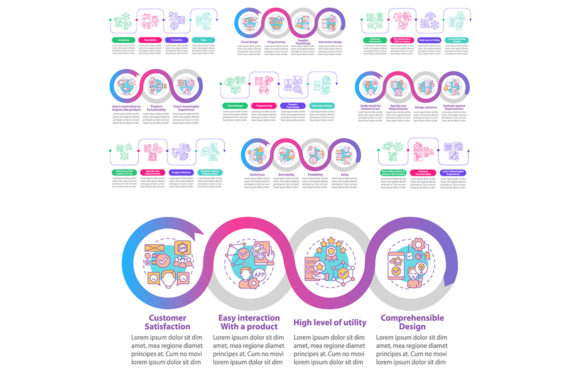
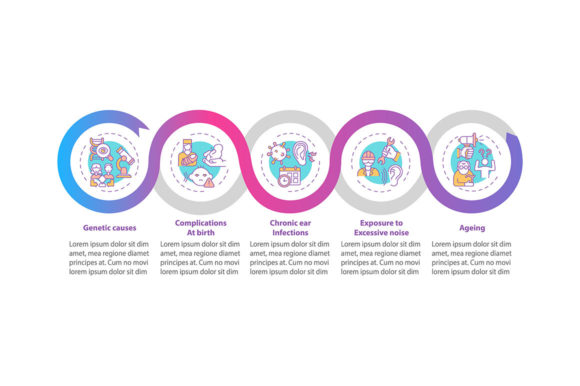
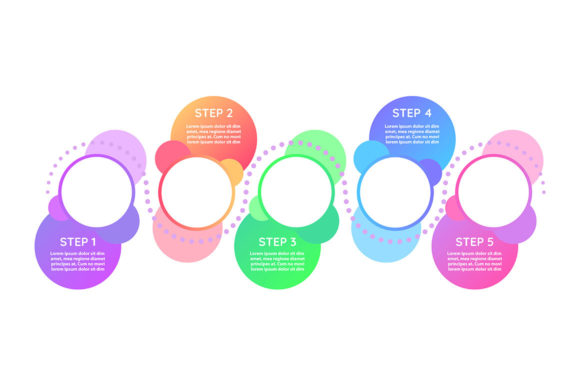
Visual communication is the backbone of modern digital strategy, yet creating professional-grade graphics often feels like an insurmountable barrier for many. A Marketing Vector Infographic Template bridges this gap by providing a structured, editable foundation for visual storytelling. Specifically, templates featuring creative gradient presentation design elements with text space offer a contemporary aesthetic that captures attention without overwhelming the viewer. When you utilize a resource that includes a five-step data visualization process timeline chart and a workflow layout with copyspace, you are not just downloading a graphic; you are acquiring a flexible framework for explaining complex ideas clearly.
Why Visual Frameworks Matter Across Different Roles
The value of a high-quality vector template shifts dramatically depending on who is using it and what they aim to achieve. For a small business owner or entrepreneur, time is often the most scarce resource. These individuals need to communicate value propositions, operational workflows, or product roadmaps quickly. A pre-designed workflow layout allows them to bypass hours of design ideation, moving straight to content insertion. The inclusion of multiple file formats in the ZIP file—specifically EPS, JPG, PNG, SVG, and AI—ensures that whether they are printing a brochure or posting to social media, the asset remains crisp and usable without requiring advanced technical knowledge.
Conversely, professional marketers and agency designers approach these templates with a different priority: efficiency and brand consistency. For them, a Marketing Vector Infographic Template serves as a starting point rather than a final product. They value the AI and EPS files because these vector formats allow for infinite scaling and deep customization. The creative gradient elements can be adjusted to match specific brand color palettes, while the structured five-step timeline ensures that client data is presented logically. Here, the template acts as a productivity multiplier, reducing billable hours spent on layout construction so more time can be dedicated to strategy and refinement.
Educators and Content Creators
For educators, bloggers, and online course creators, clarity reigns supreme. Their primary goal is knowledge transfer, not corporate branding. A process timeline chart transforms abstract concepts into digestible visual sequences. When explaining a marketing funnel, a historical progression, or a technical workflow, the predefined copyspace guides the creator on how much text is appropriate, preventing the common mistake of overcrowding slides. The availability of PNG and JPG formats in the package is particularly relevant here, as these users frequently embed images directly into learning management systems, blog posts, or video overlays without needing specialized vector editing software.
Evaluating Design Elements for Practical Utility
Not all infographic templates serve the same purpose, and understanding the specific design elements helps determine if a template aligns with your current project. The mention of "creative gradient presentation design elements" suggests a modern, dynamic look suitable for tech, innovation, or forward-thinking brands. However, if your audience requires strict corporate conservatism or high-contrast accessibility, you must evaluate whether the gradient intensity can be toned down within the vector file. The presence of ample text space is a critical usability feature; it indicates that the designer anticipated real-world content needs rather than creating a purely decorative piece that falls apart when actual paragraph text is added.
Data visualization capabilities are another key differentiator. A template focused on a five-step process is ideal for linear narratives such as customer journeys, project phases, or instructional guides. If your data is cyclical, comparative, or statistical, this specific layout may require significant modification. Users should assess whether the vector nodes in the AI or EPS files are grouped logically. Well-organized layers mean you can hide, move, or duplicate steps without breaking the overall composition. This structural integrity is what separates a professional tool from a mere decoration.
File Format Versatility and Long-Term Value
The composition of the ZIP file containing EPS, JPG, PNG, SVG, and AI formats speaks directly to long-term usefulness and flexibility. Beginners and hobbyists often rely on raster formats like JPG and PNG for immediate use in Canva, PowerPoint, or web platforms. These formats provide instant gratification and ease of use. However, relying solely on raster files limits future adaptability. As skills grow or project requirements change, having access to the source AI and EPS files becomes invaluable. SVG files occupy a crucial middle ground, offering scalability for web use while remaining lightweight, making them essential for responsive website design where performance matters.
- AI & EPS: Essential for professionals needing full editability, color correction, and print-ready resolution.
- SVG: Ideal for web developers and digital marketers requiring scalable graphics that load quickly.
- PNG: Best for presentations, documents, and social media where transparency and ease of embedding are needed.
- JPG: Suitable for quick previews, email newsletters, and platforms that do not support transparency.
Matching the Template to Your Skill Level and Goals
Determining whether this Marketing Vector Infographic Template is right for you involves an honest assessment of your technical comfort zone and project scope. Beginners should focus on the provided raster files and the inherent structure of the template. The value lies in the guided layout; the copyspace tells you where to write, and the five-step flow tells you how to organize thoughts. Even without opening Adobe Illustrator, a novice can create a polished-looking asset by simply replacing placeholder text in compatible tools or using the PNG as a background layer in other software.
Intermediate users and freelancers will find the most value in the balance between structure and freedom. The workflow layout provides a professional skeleton, but the vector nature allows for swapping icons, adjusting gradient angles, and extending the timeline beyond five steps if necessary. This group should prioritize templates where elements are not flattened, ensuring that individual components remain selectable. The ability to customize the creative gradient elements allows for creating a unique look that doesn't scream "stock template," which is vital for maintaining credibility with clients.
Advanced professionals and publishers should evaluate the template based on system integration and commercial viability. Does the grid system align with your existing master slides? Are the color swatches defined globally for easy rebranding? Is the license appropriate for commercial client work? For this audience, the template is a component in a larger design system. The five-step data visualization might be repurposed across multiple campaigns, making the initial investment worthwhile only if the file architecture supports rapid iteration and consistent output.
Practical Application Scenarios
Consider a freelance social media manager tasked with explaining a new SEO strategy to a client. Using the process timeline chart, they can map out "Audit, Research, Implementation, Monitoring, Reporting" visually. The creative gradient style makes the dry topic feel engaging, while the text space allows for brief explanatory notes under each step. Because the deliverable includes PNGs, they can immediately share a draft via email, then refine the AI file based on feedback before delivering the final presentation.
Alternatively, an educator teaching digital literacy might use the workflow layout to demonstrate how search engines index content. The visual nature aids memory retention better than bullet points. Since educational materials often need updating, the vector format ensures the diagram can be revised annually without losing quality. The copyspace accommodates detailed definitions, making the infographic a standalone study resource rather than just a lecture aid.
Ultimately, a Marketing Vector Infographic Template is a tool for reducing cognitive load—for both the creator and the audience. Whether you are a hobbyist exploring design principles or a seasoned marketer streamlining production, the combination of versatile file formats, structured data visualization, and modern aesthetic elements provides a reliable foundation. Success comes not from the template itself, but from selecting one whose structure mirrors your narrative needs and whose technical specifications match your workflow capabilities. By aligning these factors, you transform a generic download into a precise instrument for effective communication.